Encoding/Decoding Cybernetics via Cultural Studies
Dr. Sarah Ciston
Fellow, Center for Advanced Internet Studies, Bochum
Visiting Researcher, Stuart Hall Archive Project, University of Birmingham, UK
We can therefore define the diagram in several different, interlocking ways: it is the presentation of the relations between forces unique to a particular formation; it is the distribution of the power to affect and the power to be affected; it is the mixing of non-formalized pure functions and unformed pure matter’. –Gilles Deleuze, Foucault (1986, 72-73)
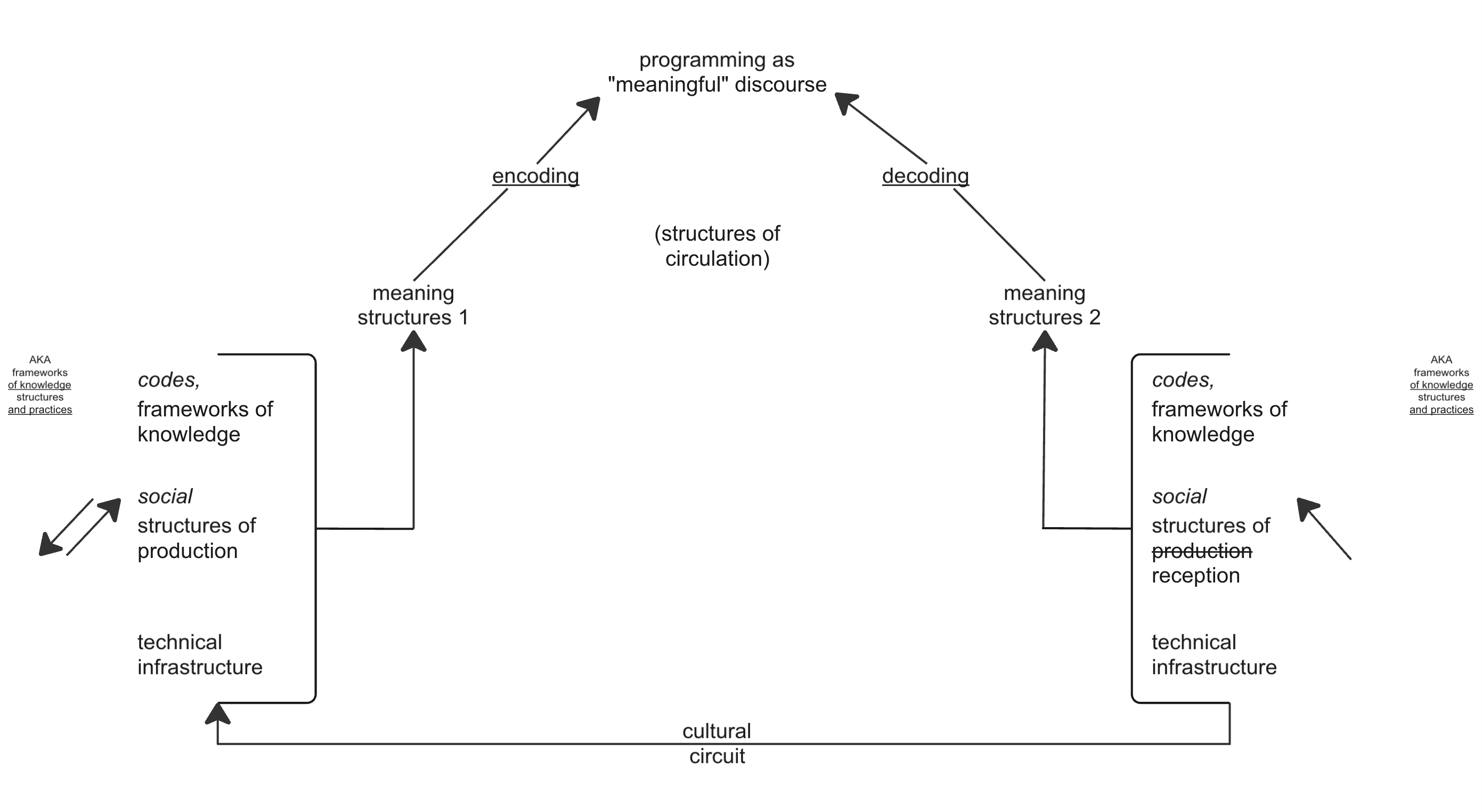
Ideology and power affect the transmission of meaning
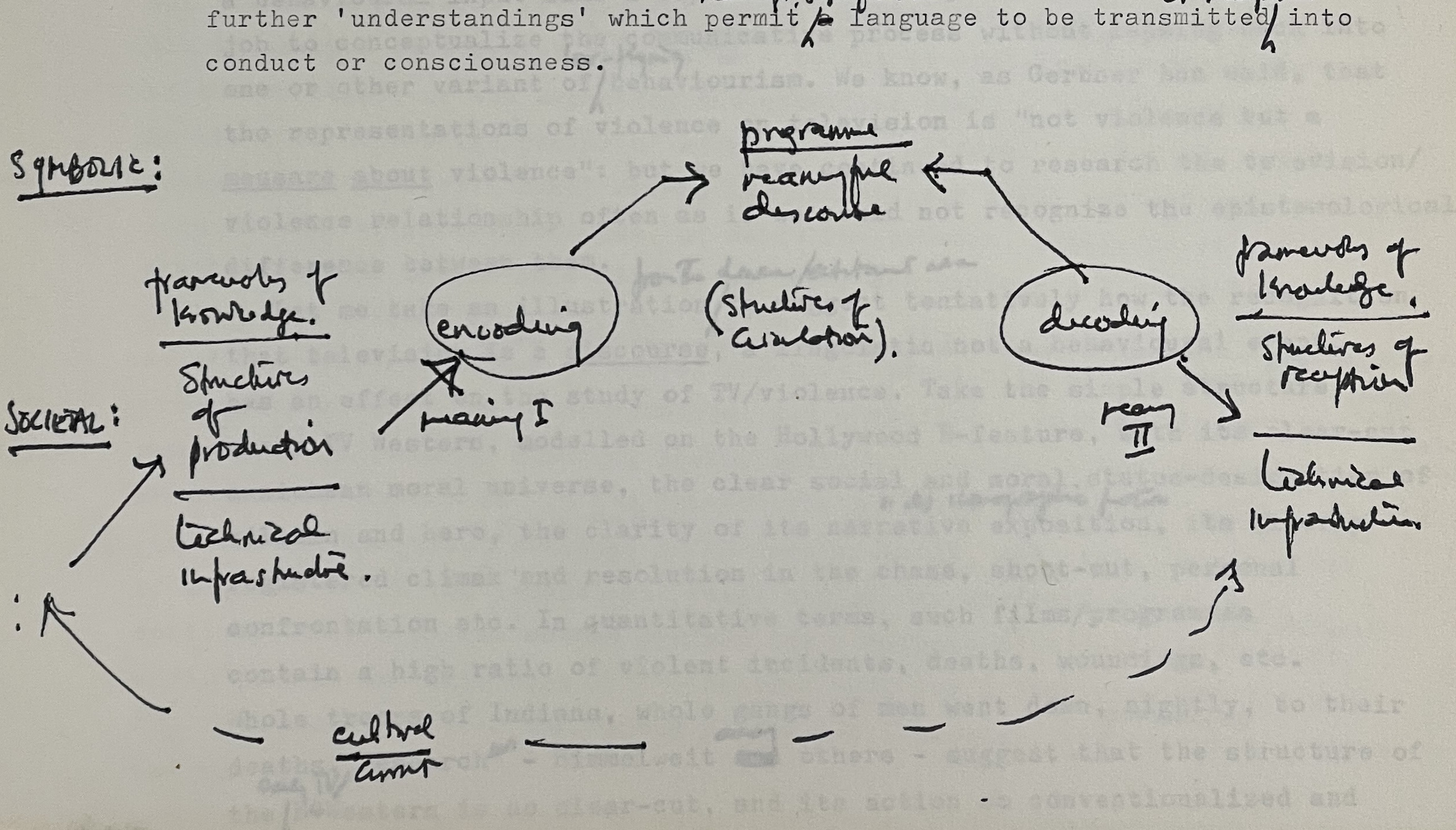
Cultural studies theorist Stuart Hall, “Encoding/Decoding,” combined versions from archive drafts and published editions of 1973, 1980. Illustration by Ciston.
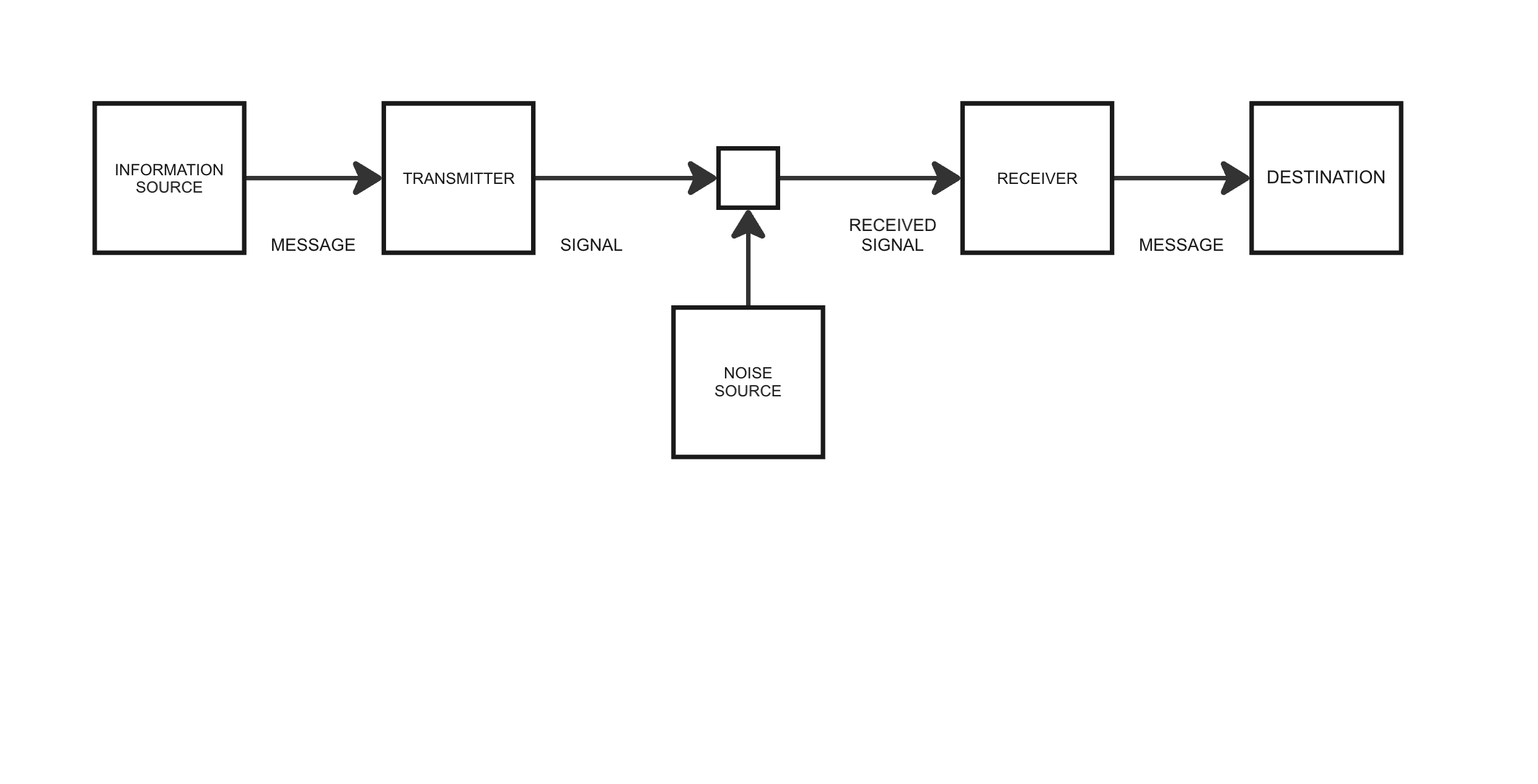
Information theory
Mathematician Claude Shannon, 1948, in “The Mathematical Theory of Communication,” 7. Reproduced from original by Ciston.
Machine learning’s visual tropes through archives
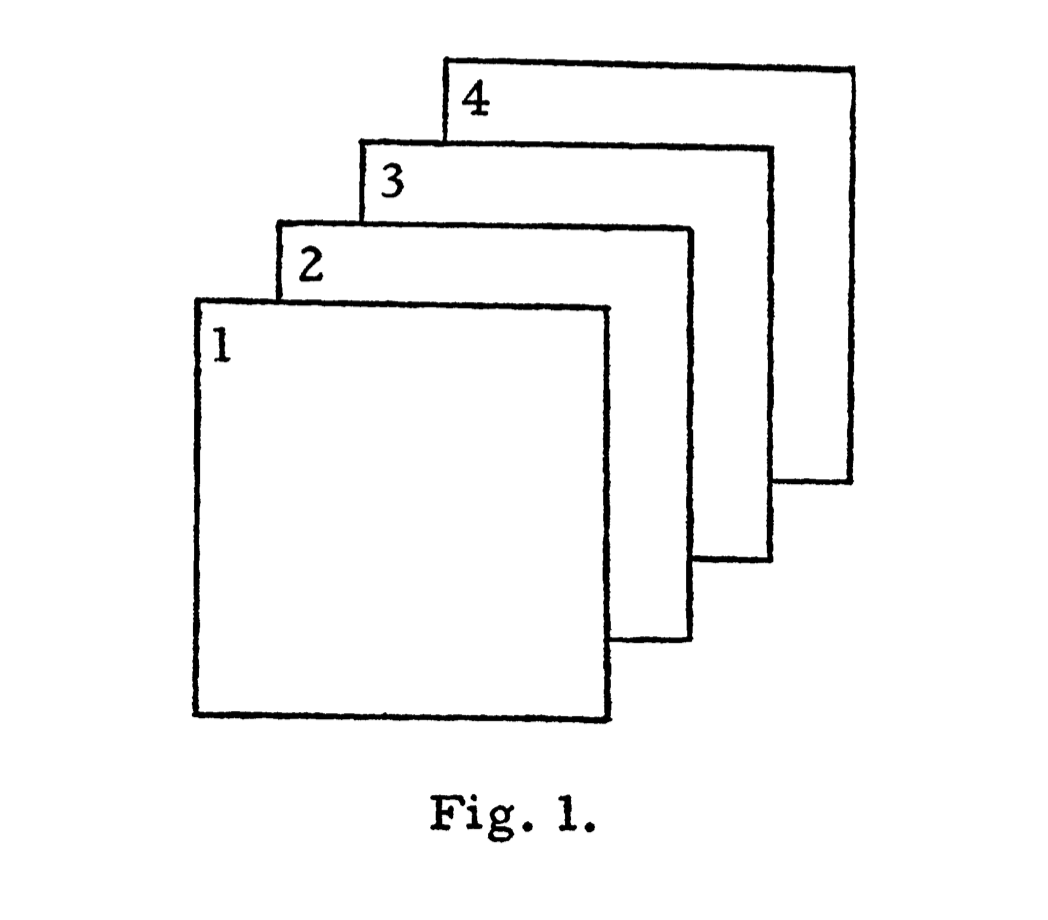
1. Layers of truth
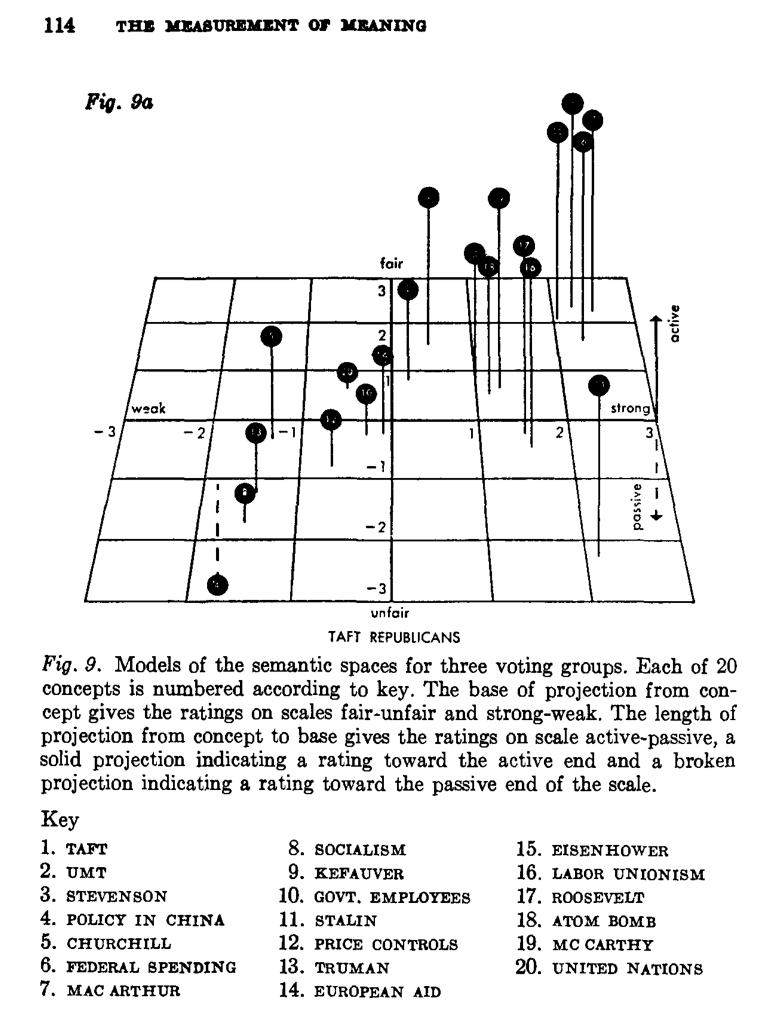
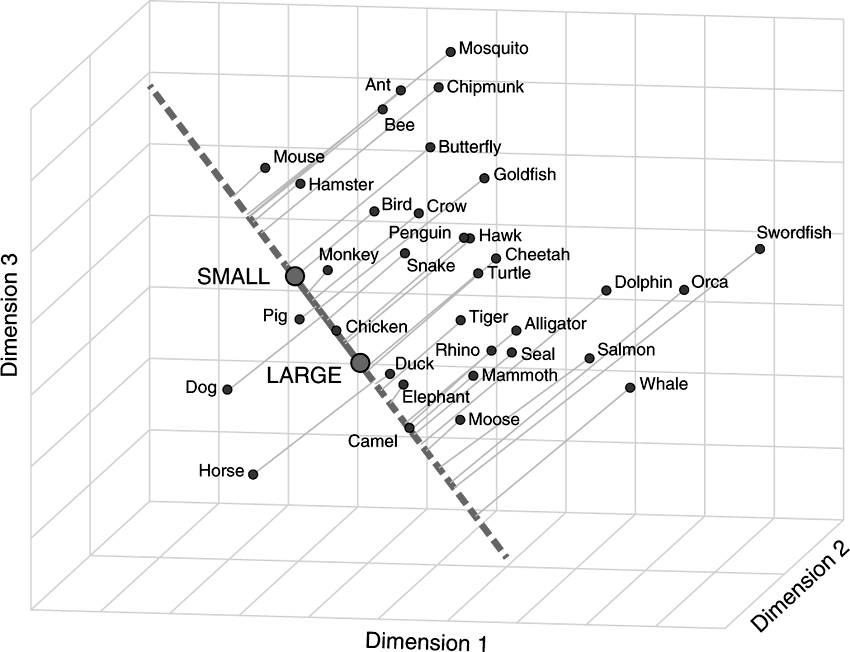
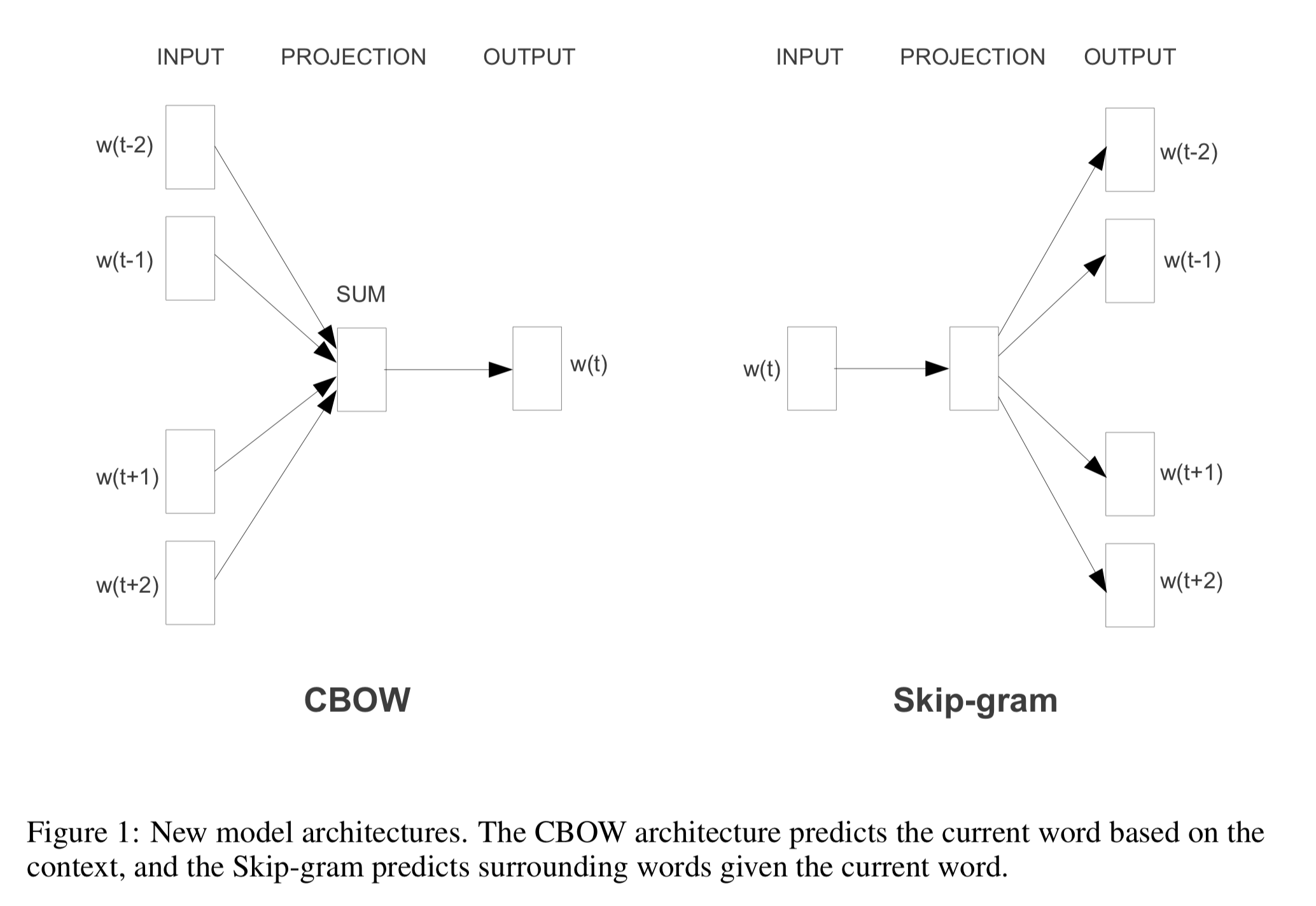
2. Proximity & spatialisation of language
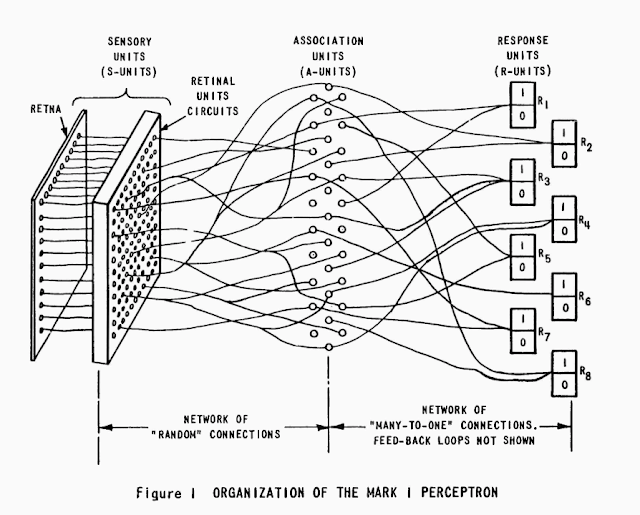
3. Nodes of thought
4. Encoding-Decoding Circuits of Transmission
Noticing what is not there
- Where is meaning?
- Where is power?
- As meaning and power combine: Where is ideology?
- How would machine learning today be different if these concepts were part of their formative structures?
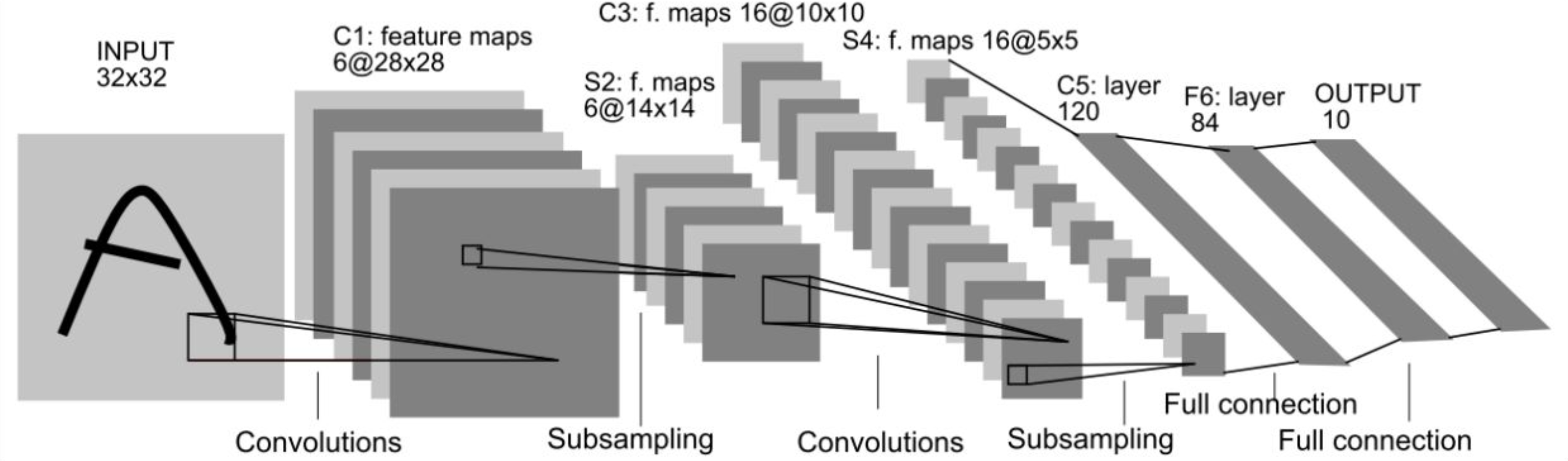
Layers of truth
Claude Lévi-Strauss, 1955, in “The Structural Study of Myth,” Journal of American Folklore, 435.
LeCun et al., 1998, “Gradient-based learning applied to document recognition.” Proceedings of the IEEE, 1998-11, Vol.86 (11), p.2278-2324 (convolutional neural nets)
Spatialisation of language
Linguist Charles Osgood, 1957, in The Measurement of Meaning
Google computer scientists Mikolov et al. 2013. “Efficient Estimation of Word Representations in Vector Space” (Word2Vec)
Nodes of thought
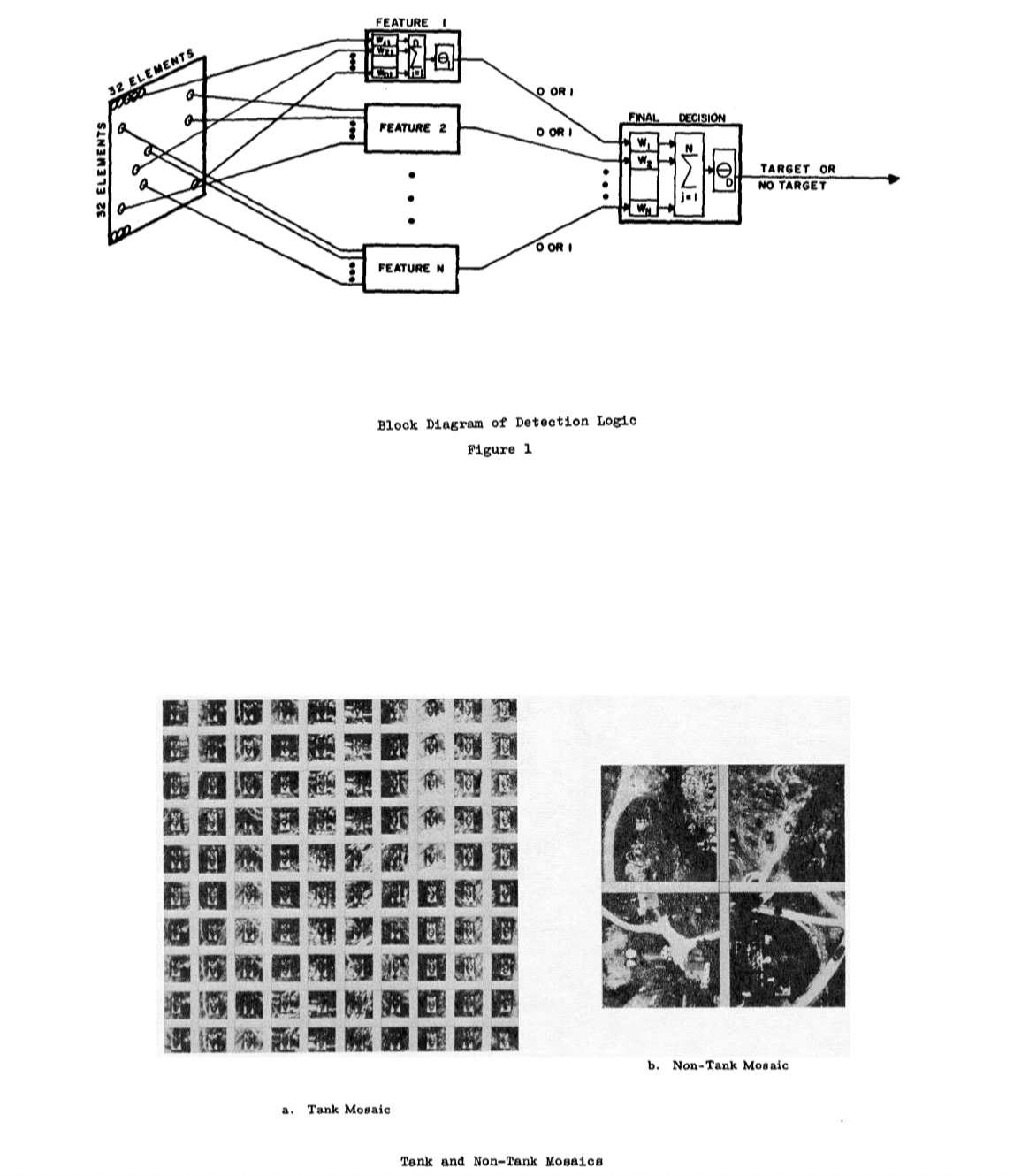
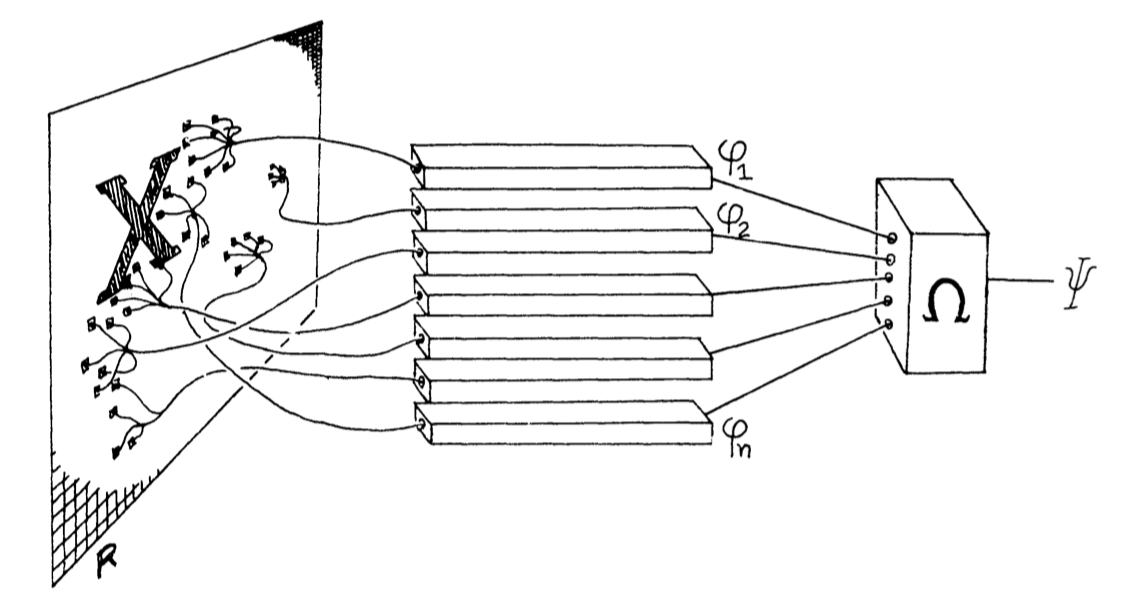
Frank Rosenblatt, 1958, Mark I Perceptron
Computer scientists Kanal & Randal, 1964, “Recognition system design by statistical analysis”
Computer scientists Marvin Minsky & Seymore Papert, 1969, “Perceptrons: An Introduction to Computational Geometry”
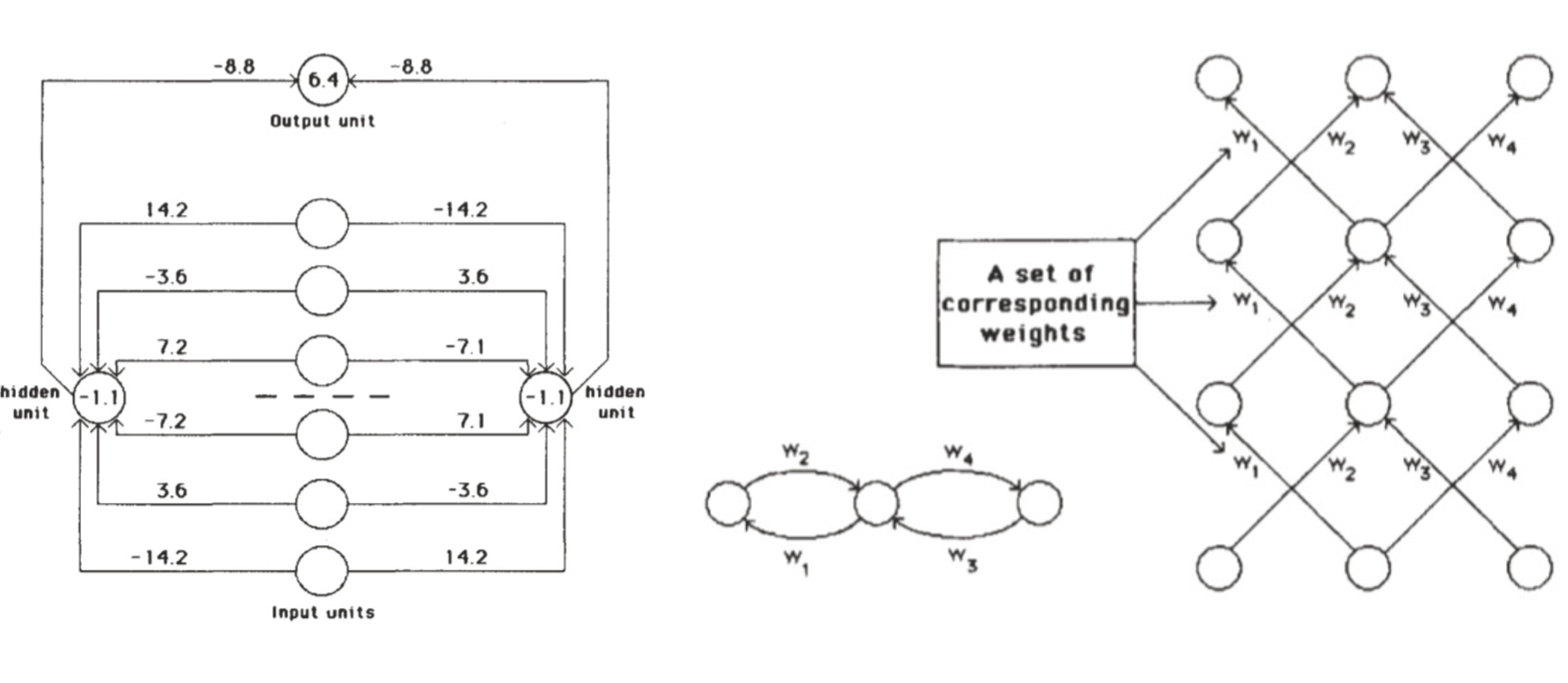
Computer scientists Rumelhart, Hinton, et al. 1986. “Learning representations by back-propagating errors”
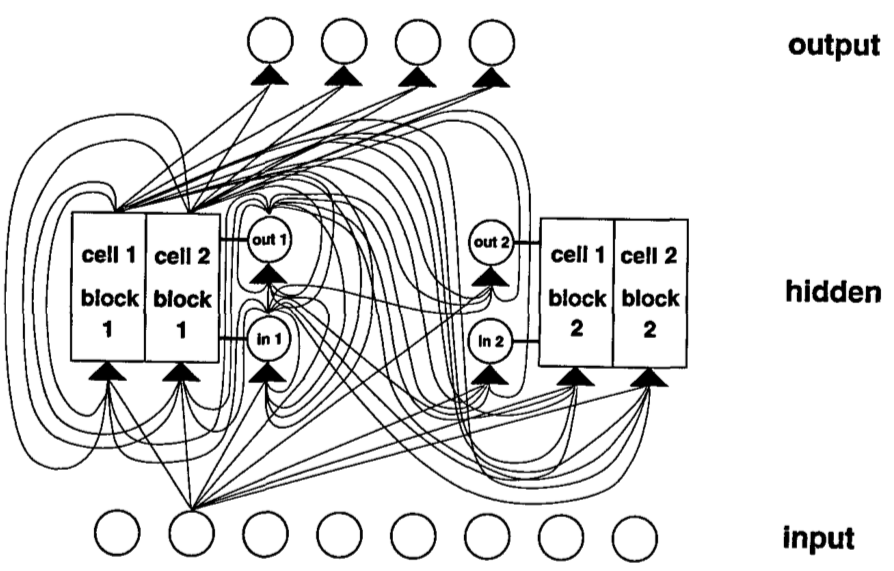
Computer scientists Sepp Hochreiter and Jürgen Schmidhuber, 1997, “Long short-term memory,” Neural Computation
Encoding-decoding circuits of transmission
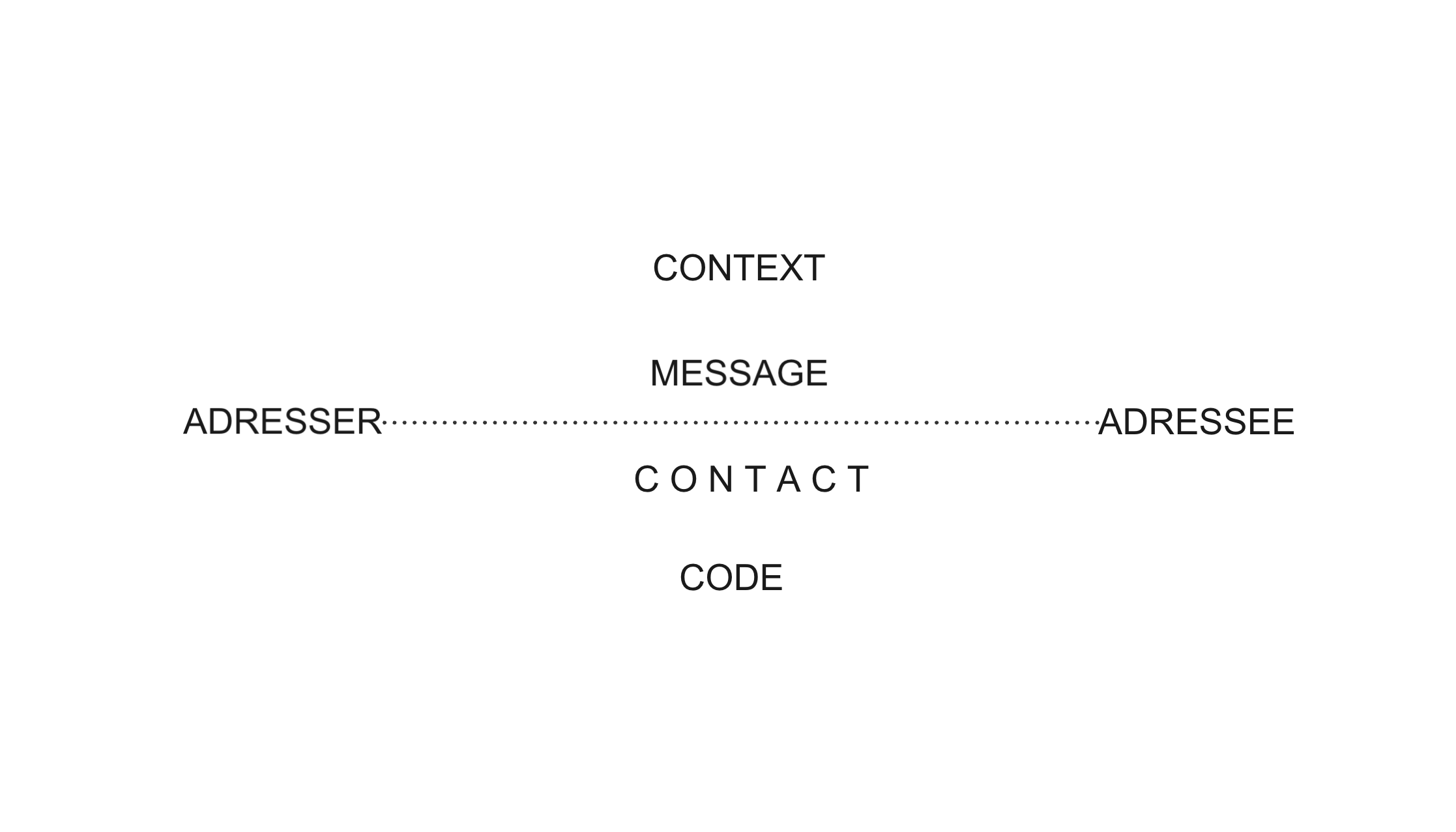
Linguist Roman Jakobson, 1960, in “Closing Statement: Linguistics and Poetics,” Style in Language, 353.
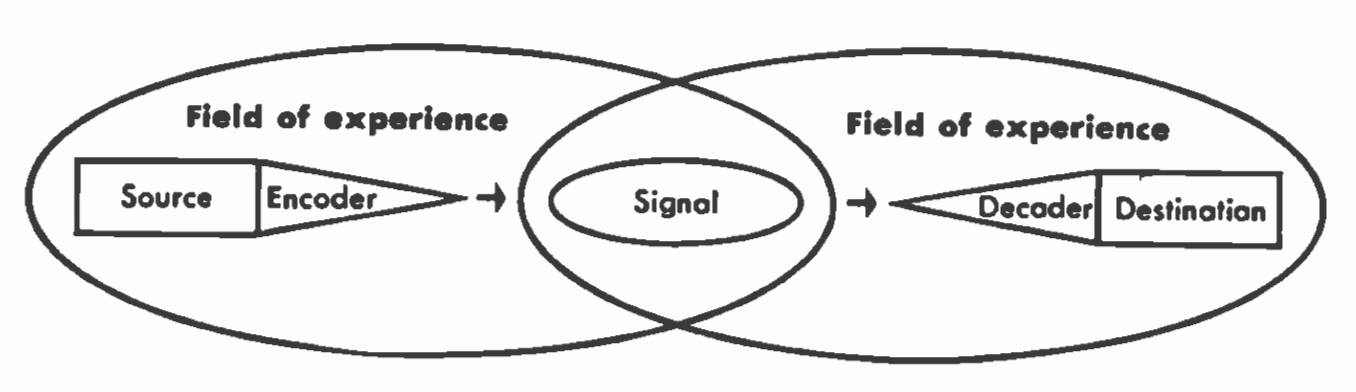
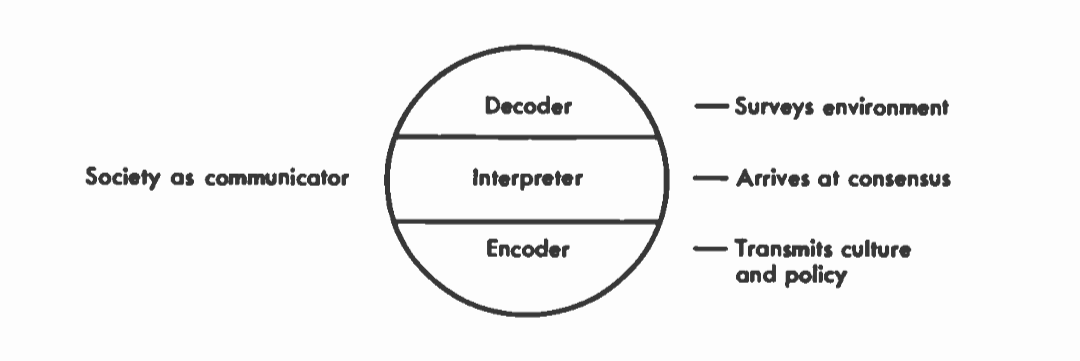
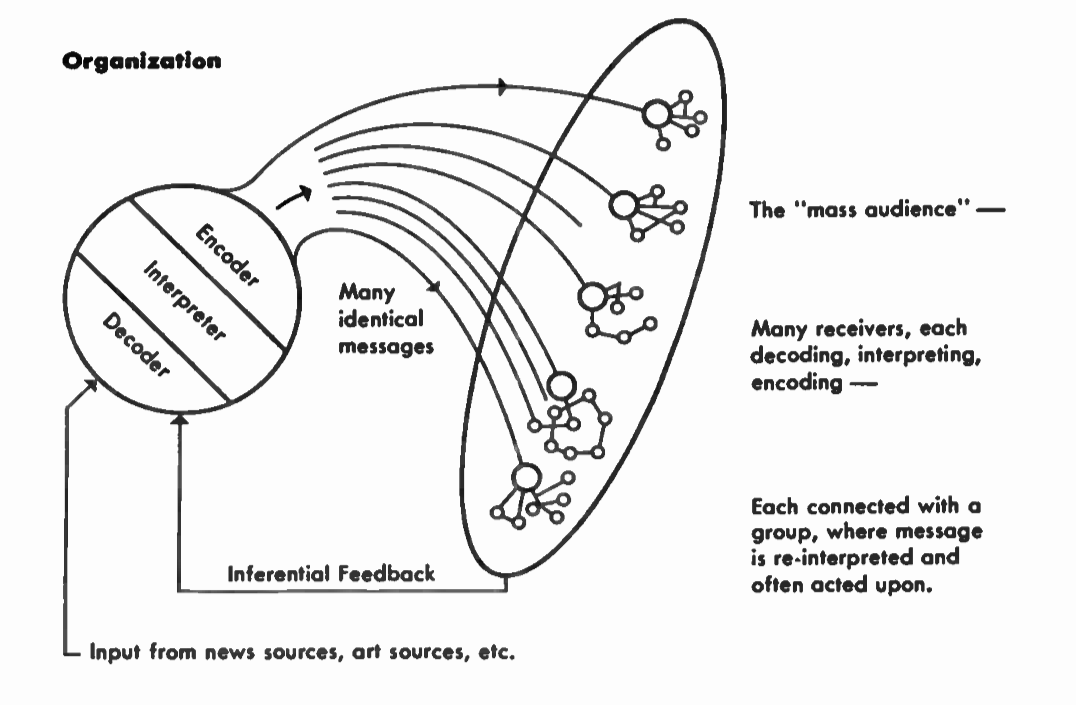
Communications theorist Wilbur Schramm, 1960, The Process and Effects of Mass Communications
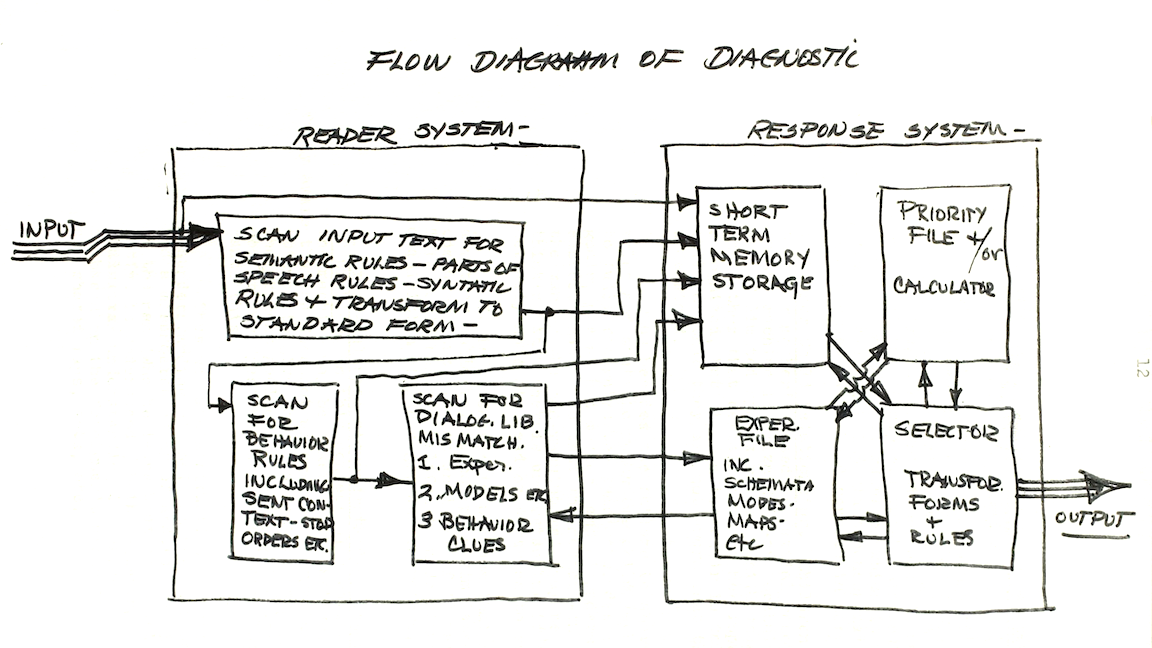
Computer scientist Joseph Weizenbaum, 1964-1966, archive sketch for ELIZA chatbot
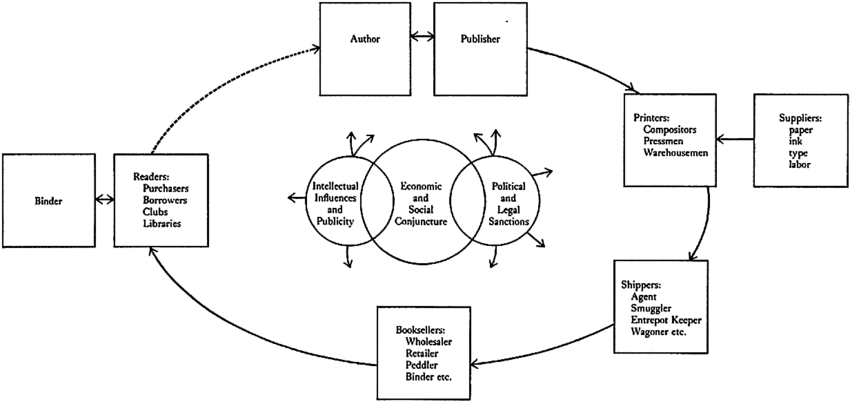
Robert Darton, 1982, Communications Circuit in “What is the history of the book?”
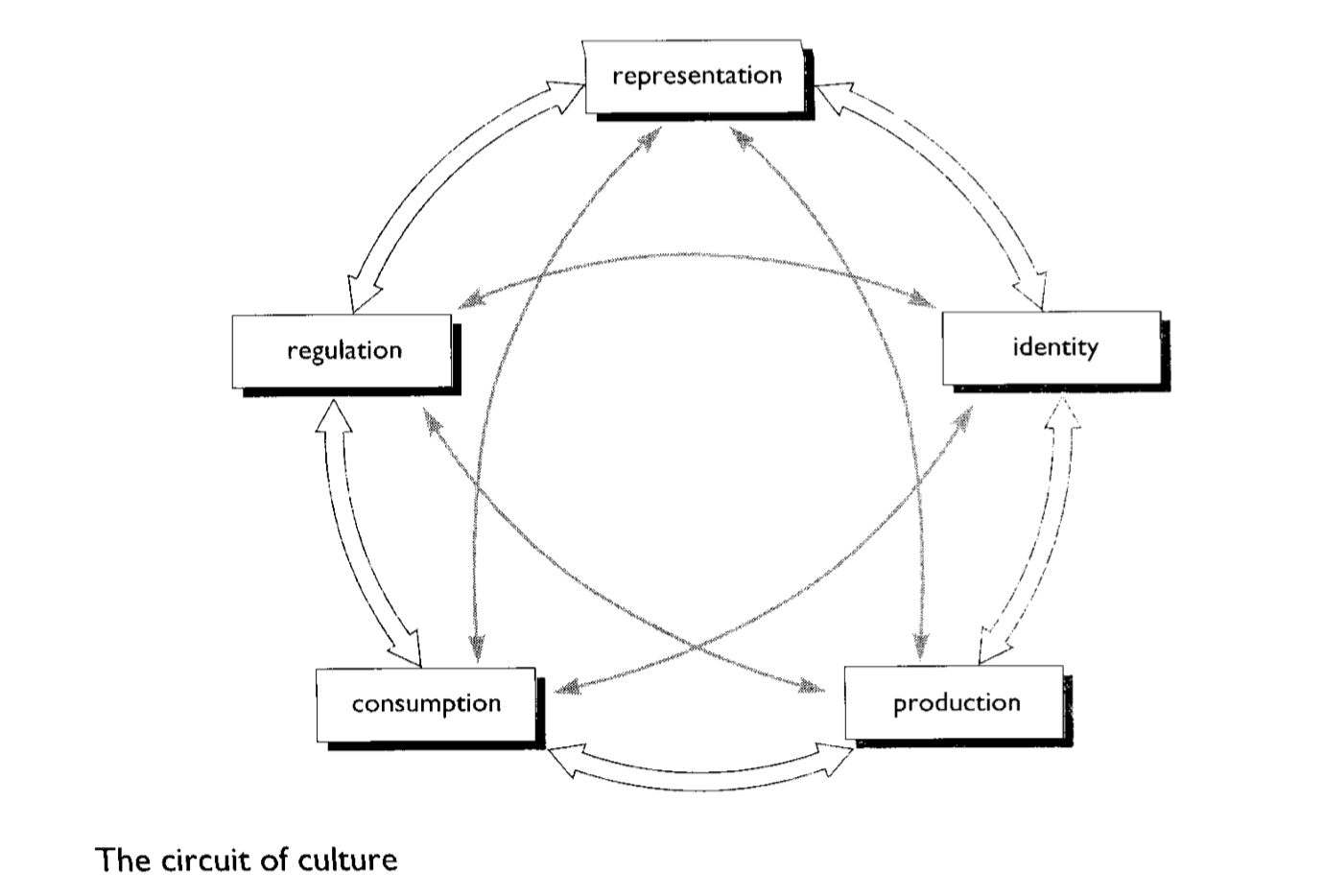
Cultural studies theorists Du Gay, Hall, & Janes. 1997, 2013. Doing cultural studies: The story of the Sony Walkman
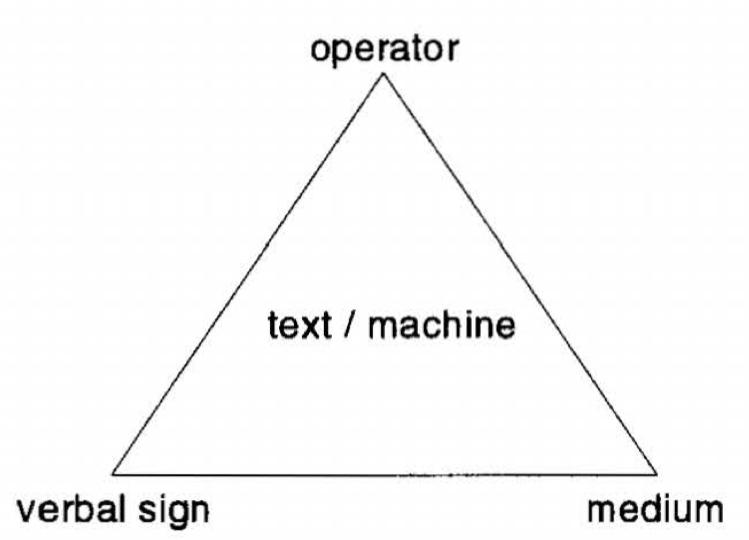
Game studies scholar Espen Aarseth, 1997, Cybertext
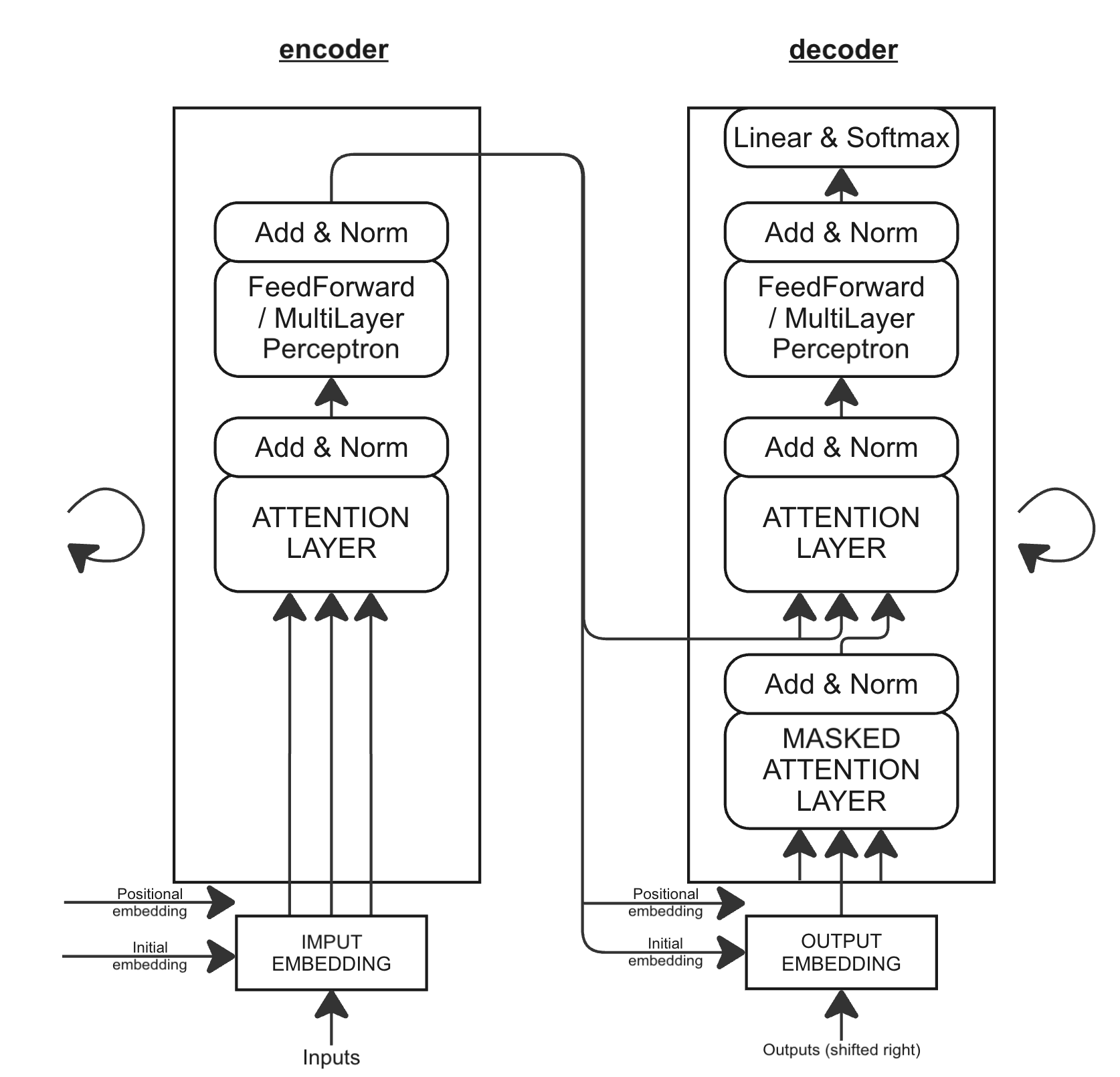
Google computer scientists Vaswani et al, 2017, “Attention is all you need” (Transformer models (GPTs)). Additional detail added, illustration by Ciston.
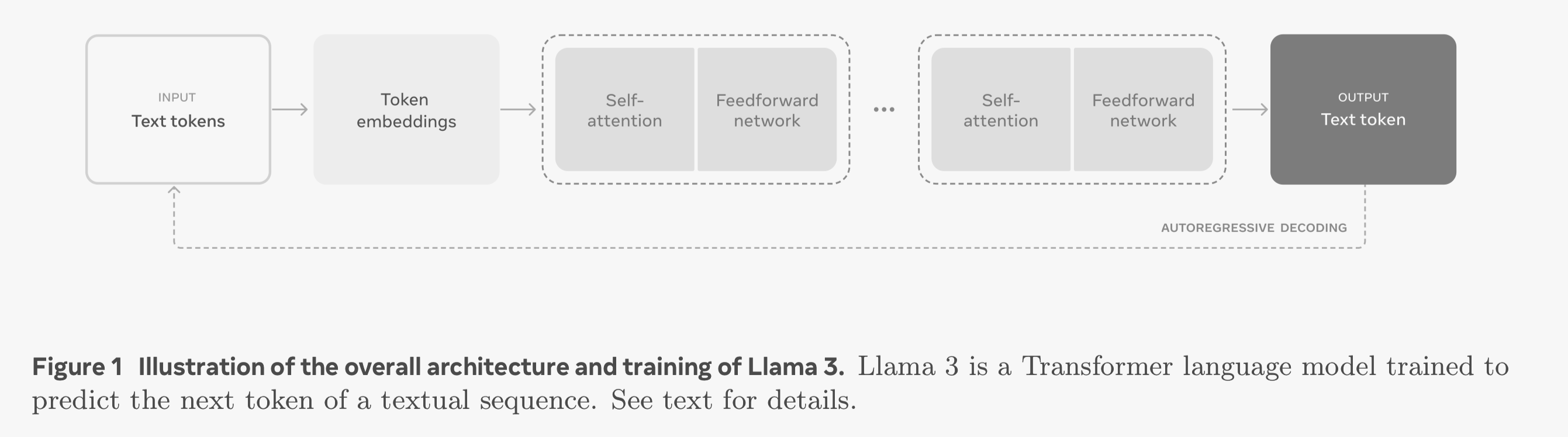
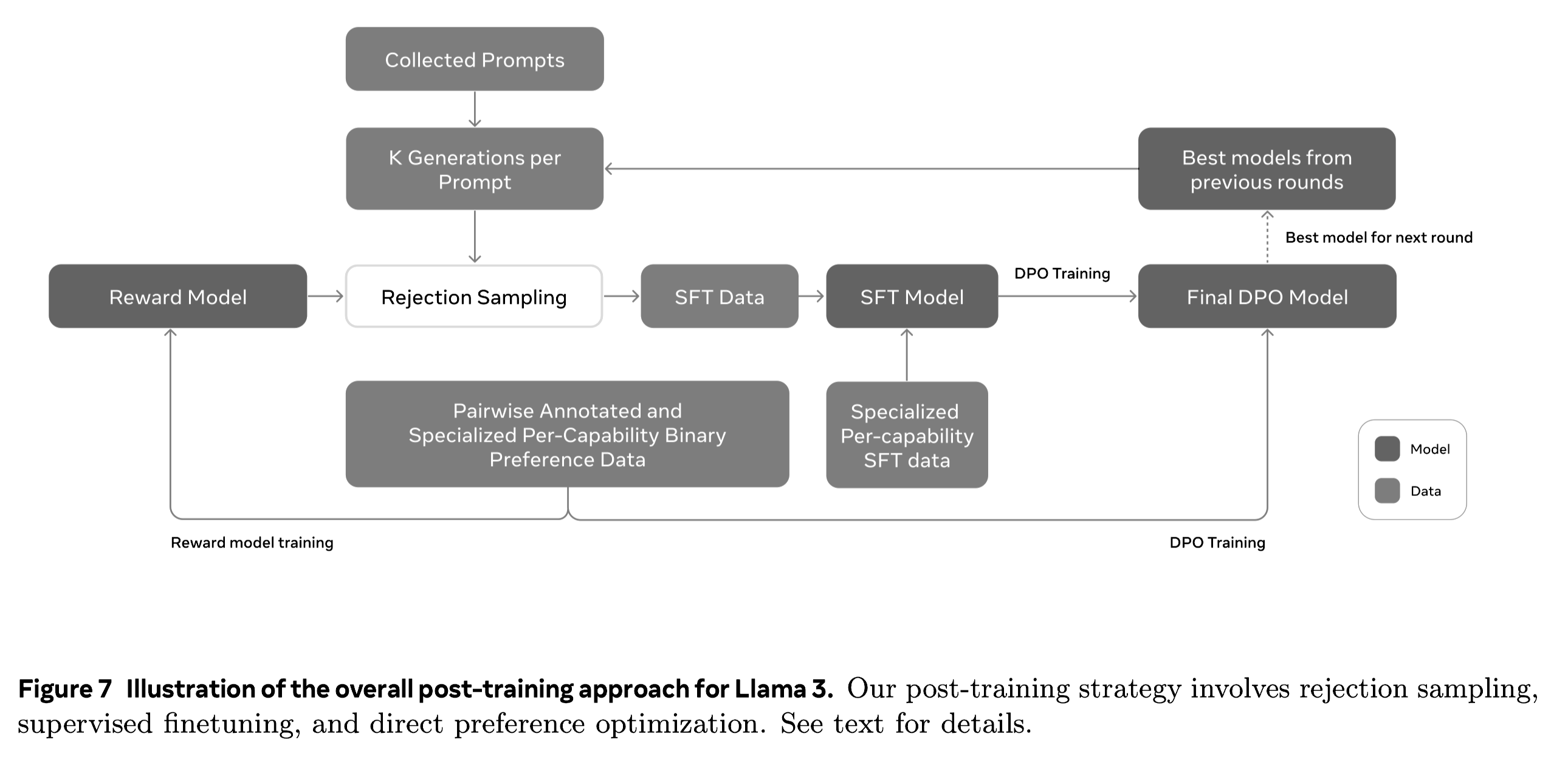
Llama Team, AI @ Meta, 2024, “The Llama 3 Heard of Models”
Thank you to the Stuart Hall Archive Project for the intellectual, material, and financial support to explore Hall’s work through these lenses. And with particular thanks to Professor Rebecca Roach for the invitation, encouragement, and many conversations. – Sarah Ciston